
What Type of Dental Crown Works Best for a Broken Front Tooth?
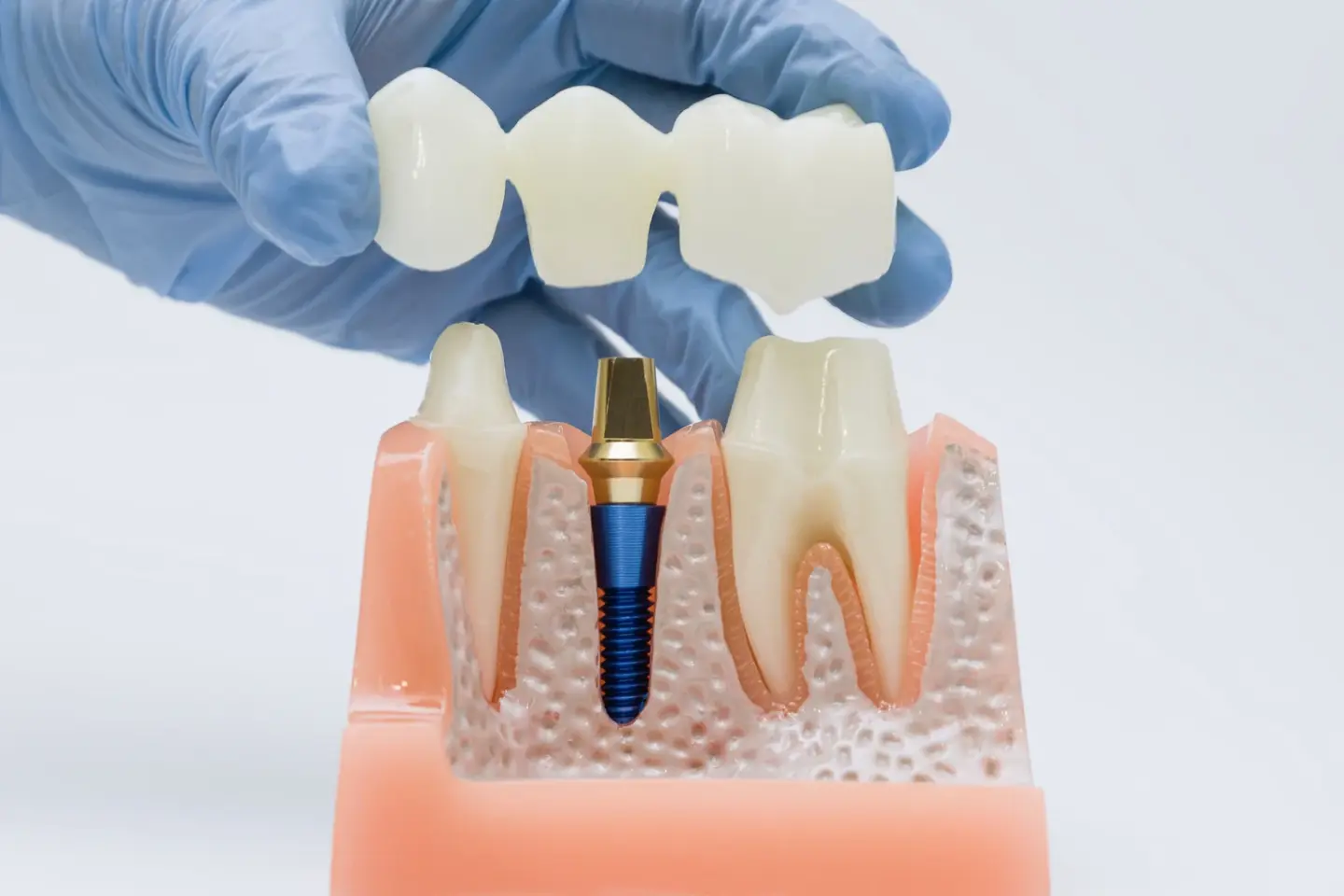
Accidents happen when you least expect them. A sudden stumble on a curb, an unexpected elbow during a pickup game, or simply biting into something hard can instantly fracture a front tooth. When it is one of your front teeth, the impact is immediate. You feel it every time you speak, swallow, or smile.
The primary goal after a front tooth breaks is finding a restoration that feels secure and looks entirely like your own natural enamel. Modern dental crowns give you options that blend right into your smile while restoring your ability to bite and chew comfortably.
Why Front Teeth Call for a Specific Type of Crown
Restoring a front tooth is fundamentally different from fixing a back molar. Molars are the workhorses of your mouth. They sit out of sight and take on significant pressure during chewing, so raw strength is the top priority for those restorations.
Front teeth serve a completely different purpose. While they help bite and slice food, their appearance is also especially important. Real enamel isn't a flat block of solid color. It has depth. Light passes slightly through the outer surface, bouncing off deeper layers inside the tooth. If a crown material is too opaque or chalky, it stands out right away next to natural teeth. Getting a great result requires a material that mimics those exact optical qualities.
Top Material Options for Front Tooth Repairs
No single crown material works for every situation. Your bite, habits, and personal goals all shape what will work best in your mouth.
All-Ceramic and Porcelain Crowns
All-ceramic crowns remain one of the most popular choices for front teeth. Porcelain can closely mimic the natural sheen and translucency of enamel.
Because all-ceramic crowns contain no metal core, you never get that dark, grayish line along your gumline if your gums naturally recede over time. A skilled dental technician can layer porcelain to match tiny individual details, like subtle color shifts or clear edges, making the crown closely blend with neighboring teeth.
High-Translucency Zirconia
Zirconia is famous for being incredibly tough, which is why it was originally used almost exclusively on back molars. Early versions of zirconia were quite dense and bright white, making them look somewhat artificial on front teeth.
Dental material science has come a long way. Modern high-translucency zirconia keeps much of that original strength while allowing light to filter through naturally. If you tend to grind your teeth at night or have a heavy bite, high-translucency zirconia gives you extra durability while offering a balance of strength and translucency.
Porcelain-Fused-to-Metal (PFM)
PFM crowns combine a metal inner structure with a tooth-colored porcelain outer layer. Dentists have used them for decades because they offer a reliable track record of strength.
That said, PFM crowns are used less often for front teeth today. The metal substructure can limit light transmission compared with some all-ceramic options, giving the tooth a slightly flatter look compared to all-ceramic options. They still serve a purpose in specific high-stress situations, but all-ceramic and modern zirconia usually deliver a more seamless aesthetic.
What Determines Which Crown Is Right for You?
When you go in for an evaluation, several practical details help narrow down the choice.
- How Your Teeth Meet: If your top and bottom front teeth collide directly when you chew, durability becomes just as critical as looks.
- Gum Line Profile: If you show a lot of gum when you laugh, choosing a metal-free option may help avoid the dark shadow that can sometimes be visible with metal-containing restorations.
- Color and Characterization: Natural teeth rarely match a single paint chip shade. Capturing small variations makes the crown look real.
- Remaining Tooth Structure: The amount of healthy tooth left after the break dictates how the crown needs to be supported.
What the Fitting Process Looks Like
Getting a crown on a broken front tooth usually involves a couple of straightforward visits.
First, your dentist evaluates the damaged area and takes digital images to check the root. If the break went deep enough to expose the inner nerve, a root canal might be necessary first if the fracture has affected the pulp. Once the tooth is ready, it is gently reshaped to make room for the crown to slide over top.
Next, digital impressions capture the exact dimensions of your mouth. These scans go to a dental laboratory where technicians craft your final crown. You leave the office with a temporary crown in place to protect the tooth and keep your smile intact while the permanent one is being made.
Once your final crown arrives from the lab, you return to have it placed. Your dentist checks the fit, shape, and shade match before cementing it securely with dental cement.
Simple Ways to Take Care of Your Crown
Taking care of a crowned tooth isn't complicated. It just takes consistent, daily attention.
- Maintain Good Home Hygiene: Brush twice a day with a soft brush and floss daily around the base of the crown to keep your gums healthy.
- Floss with Care: Slide floss out sideways from between the teeth instead of pulling up sharply against the crown edge.
- Avoid Using Teeth as Tools: Never use your front teeth to bite fingernails, chew on ice, or tear open plastic packaging.
- Consider a Nightguard: If you clench or grind your jaw in your sleep, a custom nightguard protects both your natural enamel and your new restoration.
Restore Your Smile Near Naperville, IL
A broken front tooth can throw off your confidence, but modern dentistry makes it simple to get your smile back to normal. Today's materials mean you don't have to choose between a durable tooth and a great-looking one.
If you are dealing with a damaged tooth in the Naperville, IL area, the team at Naperville Dental Studio is here to help you navigate your choices. We focus on clear guidance, comfortable visits, and care planned around your needs. Reach out to our Naperville office today to schedule your consultation.
Frequently Asked Questions
Q: Will a front tooth crown look obvious or fake?
A: A well-designed crown can look very natural. High-quality ceramic and high-translucency zirconia crowns are custom-colored and shaped to match your neighboring teeth. Once bonded into place, they blend right in with the rest of your smile.
Q: How long does a front dental crown usually last?
A: A well-maintained crown can last many years, but its lifespan varies based on the material, bite, oral hygiene, and other factors.
Q: Is getting a dental crown painful?
A: The procedure is designed to be very comfortable. Local numbing is used while the tooth is shaped to help keep you comfortable during the appointment.
Q: Can a crowned tooth still develop a cavity?
A: While the synthetic crown itself cannot decay, the natural tooth underneath it can still develop issues at the gumline if plaque builds up. Daily home care and regular cleanings remain essential to protect the natural tooth structure underneath.


Gentle, personalized dental care for the Naperville community since 2018.
Timings:-
Tuesday: 9:00 AM - 2:00 PM
Wednesday: 10:30 AM - 5:00 PM
Thursday: 11:00 AM - 7:00 PM
Friday: 11:00 AM - 3:00 PM
Saturday: 9:00 AM - 3:00 PM
Sunday & Monday: Closed


© 2026 Naperville Dental Studios | All Rights Reserved | Privacy Policy | Digital Marketing by Remedo