
Full Mouth Dental Implant Cost Guide
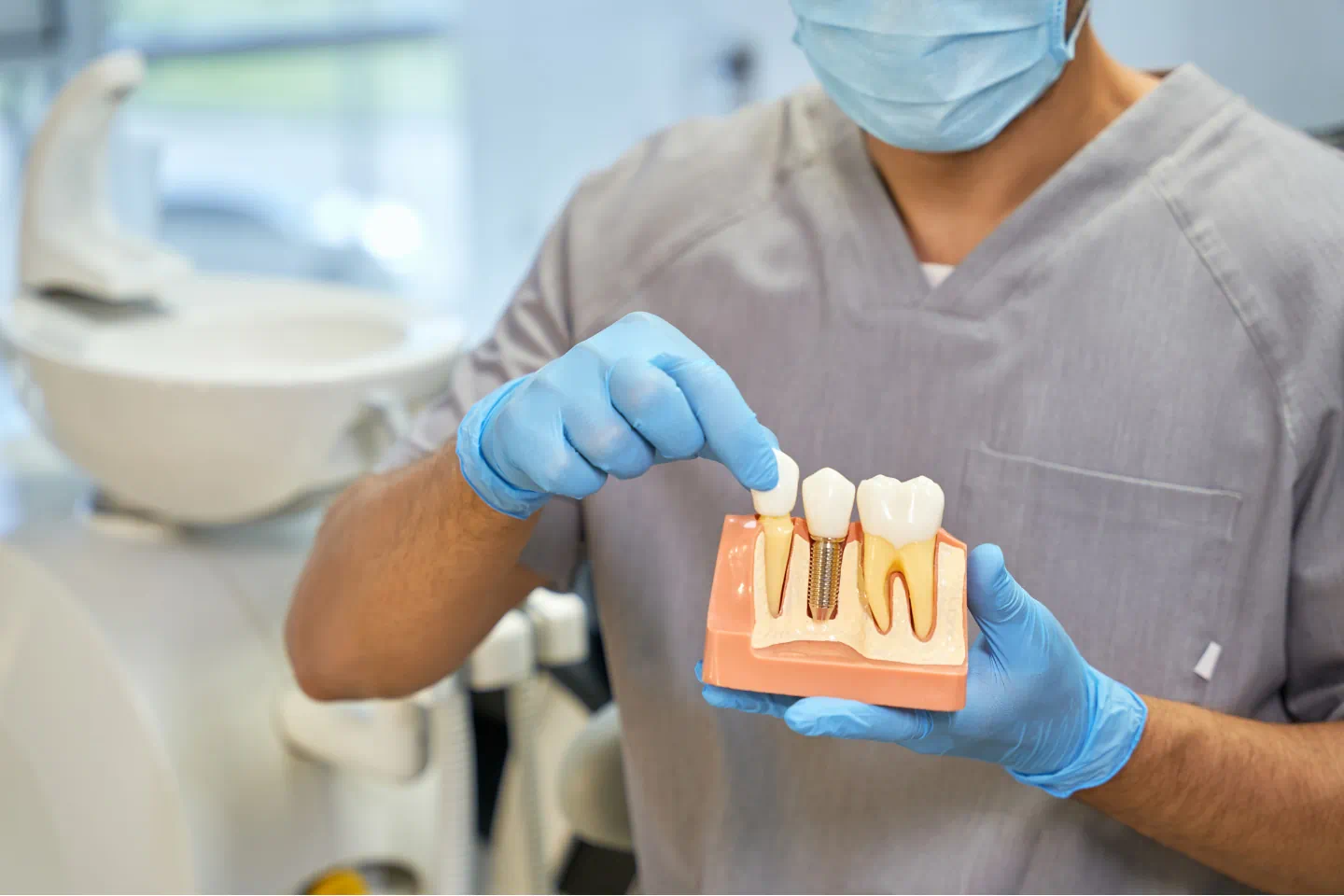
Getting a dental implant is a huge win for your smile and your health, but the work doesn't stop when you leave the chair. The surgery itself is only half the battle. How you take care of your mouth over the next few weeks plays a massive role in how well that new implant takes. What you put on your plate matters. Eating the right things helps your body rebuild tissue, while the wrong choices can cause unnecessary pain or mess with the surgical site.
When the numbing wears off, you are probably going to feel a bit sore and tired. Figuring out what to eat when you are already hungry and uncomfortable is a recipe for frustration. Planning your meals ahead of time makes the whole process smoother and keeps you from accidentally hurting your new smile. Here is a realistic, down-to-earth guide on how to eat well while your mouth heals.
The First Twenty-Four Hours: Play It Safe
The very first day requires the most caution. Your main goals right after surgery are pretty simple: avoid irritating the area, stop any minor bleeding, and keep the swelling down.
Stick to Cold Liquids and Very Soft Foods
Do not eat or drink anything hot until the anesthesia completely wears off. When your mouth is completely numb, it is shockingly easy to burn your tongue or cheeks without feeling it. Stick to cool or room temperature items for now. Plain yogurt, fruit smoothies, protein shakes, and milk are perfect for day one.
Skip the Straws
This is the most important rule of the first twenty-four hours. If you are drinking a shake or smoothie, do not use a straw. The suction created in your mouth can easily dislodge the blood clots forming over your stitches. Those clots are exactly what stops the bleeding and starts the healing process. If you disturb them, you risk restarting the bleeding and delaying your recovery. Drink straight from the glass or use a spoon.
Days Two and Three: Upgrading Your Options
By day two and three, you can start adding a little more variety to your routine. You still want to avoid any real chewing near the surgical sites, but you do not have to survive on liquids alone.
Nutrient-Dense Soups
Soups are fantastic because they give your body the vitamins it needs to heal without forcing your jaw to work. Lukewarm bone broth, smooth tomato soup, or a blended potato soup can be incredibly comforting. Just ensure the soup is completely smooth with no random chunks of meat or veggies. Let it cool down completely before eating.
Mashed Everything
Mashed potatoes are the ultimate comfort food after oral surgery. They are filling, easy to swallow, and you can mix in butter or sour cream to keep your calorie intake up. Mashed sweet potatoes, avocado, or puréed squash are also excellent choices. Avocado is especially great because the healthy fats keep you feeling full longer.
Week One and Beyond: Soft, Easy-to-Chew Foods
As the initial soreness fades over the first week, your gums will start to tighten up. This is when you can slowly introduce foods that require a tiny bit of chewing, just keep the food on the opposite side of your mouth from the implants.
Soft Protein Options
Your body needs plenty of protein to rebuild tissue after surgery. Since steak and chicken are off the table for a while, you have to get creative. Scrambled eggs are soft, gentle, and quick to make. Flaky baked fish like salmon or cod requires almost zero effort to break down. You can also try well-cooked beans, cottage cheese, or tofu.
Soft Grains and Fruit
You can start adding some substance back into your meals with well-cooked grains. Oatmeal, cream of wheat, pasta, and soft rice are usually very comfortable to eat. For fruit, stick to bananas, applesauce, or soft canned peaches. Avoid fruits with tiny seeds like strawberries or raspberries, because those little seeds can become trapped in surgical sites and irritate the area.
What to Keep Off Your Plate
Knowing what to avoid is just as important as knowing what to buy. Some foods can physically damage your healing gums or cause a lot of pain.
- Sharp or Crunchy Foods: Chips, nuts, popcorn, and crusty bread can scratch your sensitive gums or put too much pressure on the new implant.
- Sticky or Chewy Foods: Candies like caramel or taffy can pull on your stitches or get stuck around the healing hardware.
- Spicy and Acidic Foods: Hot sauce, citrus fruits, and tomatoes can cause a terrible burning sensation on open wounds.
- Steaming Hot Meals: Very hot coffee or soup may increase blood flow to the area, which can contribute to swelling or bleeding during the early stages of healing.
Patient Guidance and Care in Naperville
At Naperville Dental Studio, the team understands that the days following implant surgery can be a bit stressful as you adjust to a temporary routine. They focus on giving you clear, straightforward post-op instructions so you never have to guess what is safe to eat.
If you are looking into getting implants in Naperville IL, the clinical team at the practice walks you through every single step, from the initial digital scans to the final follow-up care. They are entirely focused on keeping you comfortable, answering your everyday lifestyle questions, and making sure your recovery goes smoothly. Partnering with Naperville Dental Studio means you have a supportive team checking on your progress until you are back to enjoying all your favorite foods.
Frequently Asked Questions
Q: How long do I have to stay on a soft food diet after implant surgery?
A: Most people stick to liquids and very soft options for the first few days, then slowly transition to soft chew foods over the first week or two. Your exact timeline depends on how fast your mouth heals.
Q: Can I have my morning coffee the day after surgery?
A: You can have coffee, but it needs to be iced or room temperature. Avoid hot coffee for the first few days because heat can increase swelling and cause bleeding.
Q: What should I do if I accidentally chew something hard on the implant side?
A: Biting down on something hard can put too much pressure on the implant before it has fully fused with your jawbone. If you experience sudden pain, bleeding, or notice any looseness, call your dentist for a quick checkup.
Q: Are protein shakes okay to drink during recovery?
A: They are a great way to keep your energy up and get your nutrients when you cannot chew solid food. Just remember to skip the straw and drink directly from the cup.
Q: When can I finally eat things like steak or raw apples again?
A: Getting back to a totally normal, unrestricted diet usually takes a few weeks to a few months. Your dental team will check how your implant is fusing at your follow-up visits and let you know when it is safe to eat hard foods again.



Gentle, personalized dental care for the Naperville community since 2018.
Timings:-
Tuesday: 9:00 AM - 2:00 PM
Wednesday: 10:30 AM - 5:00 PM
Thursday: 11:00 AM - 7:00 PM
Friday: 11:00 AM - 3:00 PM
Saturday: 9:00 AM - 3:00 PM
Sunday & Monday: Closed


© 2026 Naperville Dental Studios | All Rights Reserved | Privacy Policy | Digital Marketing by Remedo