
What is the Importance of Dental Crowns
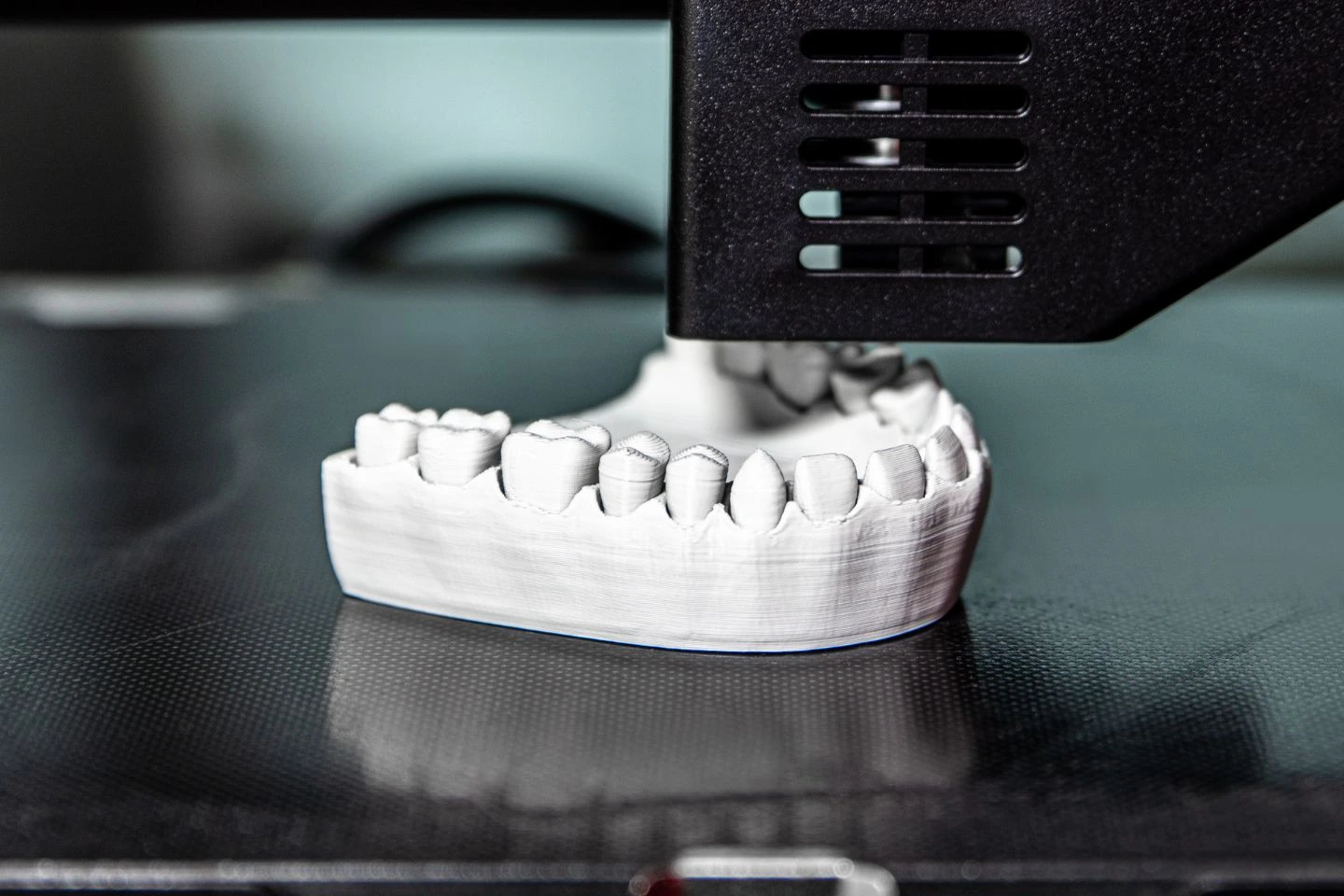
When a tooth breaks, gets a huge cavity, or starts throbbing after years of wear, your first thought is usually just getting rid of the pain or fixing the gap. In many cases, a routine filling or small patch simply isn't enough to hold what's left of the tooth together. That's usually when your dentist brings up placing a dental crown.
A dental crown acts as a custom-made jacket or cap that covers the entire visible portion of your tooth right down to the gumline. But why are crowns such a big deal in dentistry, and why do dentists push so hard to save a weak tooth rather than just pulling it? Understanding the true value of a dental crown can give you a lot of peace of mind when planning your dental care.
Why Saving Your Natural Tooth Matters So Much
To really get why crowns are so important, it helps to understand what happens when you lose a tooth entirely. Extracting a bad tooth might seem like a quick, easy fix, but pulling a tooth sets off a chain reaction under your gums.
Your teeth rely on each other for support. When a gap opens up, neighboring teeth slowly drift toward the empty space, messing up your natural bite alignment. On top of that, your jawbone needs the constant pressure of daily chewing transmitted through tooth roots to stay dense. Without a root in place, that section of bone gradually shrinks over time.
A crown gives a compromised tooth a second chance. By wrapping around the damaged enamel, it preserves the root underneath, keeps your bone stimulated, and prevents surrounding teeth from shifting.
The Key Roles Dental Crowns Play
Dental crowns aren't a one-size-fits-all fix. They serve several distinct roles in keeping your mouth comfortable and functional.
Protecting Weak or Cracked Teeth
Deep cracks and large cavities drain a tooth of its structural strength. Every time you bite down on a cracked tooth, the pressure flexes the crack open, which often causes sharp, shooting pain. A crown binds the remaining walls of the tooth together, locking everything in place so you can chew without those sudden jolts of discomfort.
Restoring Full Chewing Function
When a tooth is broken down or missing a chunk, you naturally start shifting food to the other side of your mouth. Over time, uneven chewing stresses your jaw joints and wears out the teeth on your favored side. A custom crown restores the original height, shape, and contours of your tooth so you can chew balanced, healthy meals again.
Sealing a Tooth After a Root Canal
If you've ever had a root canal, you know the process removes infected nerve tissue from inside the tooth. While this stops the infection and saves you from a massive toothache, it also leaves the remaining tooth structure somewhat hollow and brittle. Placing a crown right after a root canal seals out new bacteria and provides the physical reinforcement the tooth needs to handle daily use.
Holding Dental Bridges in Place
If you are replacing a missing tooth with a traditional bridge, crowns act as the anchors. The bridge uses crowns fitted over the healthy teeth on either side of the gap to hold the replacement tooth securely in place.
Topping Off a Dental Implant
When a tooth is completely gone and replaced with a dental implant, the titanium post under the gums acts as the new root. However, the implant isn't complete until a custom crown is attached to the top, giving you a functional, natural-looking replacement tooth above the gumline.
How Modern Crowns Blend In
Nobody wants a restoration that screams "dental work" every time they open their mouth. Older dental crowns often relied heavily on dark metals, which could leave a noticeable gray line along the gums.
Thanks to advancements in dental ceramics and high-translucency zirconia, modern crowns look remarkably like real enamel. Dental labs craft these caps to match the shade, translucency, and surface texture of your surrounding teeth. Whether the crown sits on a front tooth or a back molar, it blends right in with your natural smile.
What to Expect During the Placement Process
Getting a dental crown is a straightforward, routine procedure handled over a couple of visits.
- Preparing the Tooth: Your dentist numbs the area completely before gently shaving down a thin layer of outer enamel. This step makes sure the new crown fits snugly over the tooth without feeling bulky against your cheeks or tongue.
- Taking Digital Impressions: High-precision digital scans or traditional molds capture the exact shape of your prepared tooth and how your upper and lower jaws meet.
- Placing a Temporary Crown: While a dental laboratory custom-builds your permanent crown, a temporary cap is placed over the tooth. This keeps you comfortable, protects the prepped area, and lets you chew normally.
- Final Fitting: Once your permanent crown is ready, you return to have it checked for fit, bite alignment, and color match. After making any fine adjustments, your dentist bonds the crown permanently with strong dental cement.
Simple Habits to Protect Your Crown
While a synthetic crown can't get a cavity, the natural tooth underneath it sits right at the gumline margin where plaque loves to gather. Keeping your crown in great shape takes just a few basic daily habits:
- Brush Twice a Day: Use a soft-bristled brush to clean thoroughly around the base of the crown.
- Floss Daily: Slide floss out sideways from between your teeth rather than snapping it up, which keeps the gumline clear of bacteria.
- Avoid Crunching on Hard Objects: Don't chew on ice, bite pen caps, or use your teeth to tear open plastic packaging.
- Wear a Nightguard if You Grind: If you clench your jaw while sleeping, a custom nightguard protects both your natural teeth and your new crown from excessive wear.
- Keep Up with Routine Visits: Regular cleanings and checkups let your dental team inspect crown margins and catch tiny issues before they grow.
Protect Your Smile in Naperville, IL
Ignoring a cracked or broken tooth rarely works out well. What starts as a minor crack or moderate cavity can quickly spread, leading to deeper pain or a tooth that can no longer be saved. A dental crown offers a reliable, time-tested way to protect your natural teeth, restore your bite, and keep your mouth healthy for years to come.
If you have a damaged tooth or want to learn more about your crown options in or near Naperville, IL, the friendly team at Naperville Dental Studio is ready to help. We focus on gentle care, clear explanations, and personalized treatment plans built around your goals. Reach out to our Naperville office today to set up your consultation.
Frequently Asked Questions
Q: How long can I expect a dental crown to last?
A: With consistent daily home care and regular checkups, a well-placed dental crown routinely lasts anywhere from 10 to 15 years, and often much longer.
Q: Is getting a dental crown painful?
A: No. Your dentist will numb the tooth and surrounding tissue with local anesthesia before starting any work. You might feel a little mild tenderness in the gums for a day or two after the appointment, but the shaping process itself is completely comfortable.
Q: What is the difference between a crown and a filling?
A: A filling fixes a small or medium hole inside a tooth while leaving most of your enamel intact. A crown covers the entire outside of a tooth when the remaining structure is too weak or cracked to hold a filling securely.
Q: Can a dental crown fall off?
A: While it isn't common, a crown can come loose if the dental cement wears away or if you bite down on something exceptionally sticky. If your crown loosens or pops off, call your dentist right away so they can clean the area and recement it safely.


Gentle, personalized dental care for the Naperville community since 2018.
Timings:-
Tuesday: 9:00 AM - 2:00 PM
Wednesday: 10:30 AM - 5:00 PM
Thursday: 11:00 AM - 7:00 PM
Friday: 11:00 AM - 3:00 PM
Saturday: 9:00 AM - 3:00 PM
Sunday & Monday: Closed


© 2026 Naperville Dental Studios | All Rights Reserved | Privacy Policy | Digital Marketing by Remedo