
What Happens During a Cleaning Appointment
If you’ve ever wondered what actually happens during a dental cleaning appointment Naperville, you’re not alone. Whether it’s your first visit, you’ve skipped a few cleanings, or you’re just anxious about the process, knowing what to expect can make a huge difference.
From my experience working closely with dental practices for over a decade, I’ve seen one consistent pattern: patients who understand the process ahead of time feel significantly less anxious and are more consistent with their visits. And that consistency is what truly protects your oral health long-term.
What Is a Dental Cleaning Appointment?
A dental cleaning appointment (also called a professional teeth cleaning) is a preventive dental visit where plaque, tartar, and stains are removed from your teeth to maintain oral health.
Unlike brushing at home, this process targets hardened plaque (tartar) that regular brushing or flossing cannot remove.
According to the American Dental Association, regular cleanings are essential for preventing gum disease and detecting oral health issues early. You can also read more about why routine visits matter in this guide: Why Regular Dental Checkups Are Essential for Your Overall Health.
Step-by-Step: Dental Cleaning Procedure Explained
Let’s break down what actually happens during your oral cleaning appointment:
1. Initial Examination
Your appointment starts with a quick oral exam. The hygienist uses a small mirror to check for:
Signs of gum inflammation or bleeding
Plaque buildup
Any visible cavities or concerns
If anything unusual is found, the dentist may step in before the cleaning begins.
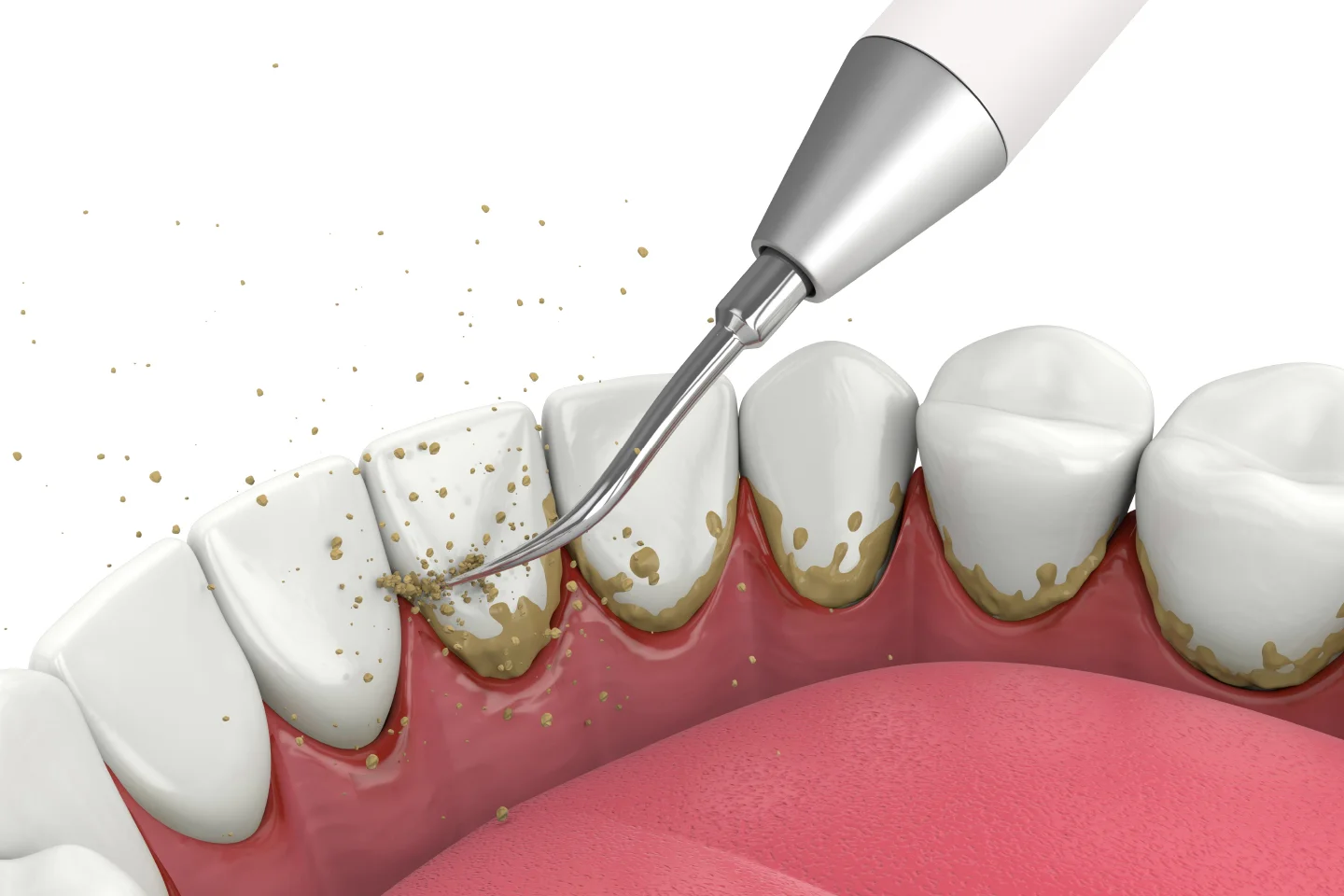
2. Plaque and Tartar Removal (Scaling)
This is the most important step in a professional teeth cleaning.
Using specialized tools (manual or ultrasonic), the hygienist removes:
- Plaque (sticky bacterial film)
- Tartar (hardened plaque)
The more buildup you have, the longer this step takes.
Why it matters: Tartar buildup is a leading cause of gum disease, and it can’t be removed at home.
3. Deep Cleaning with Gritty Toothpaste (Polishing)
Next, your teeth are polished using a high-powered electric brush and a slightly gritty toothpaste.
This step:
- Removes surface stains
- Smoothens tooth surfaces
- Makes it harder for plaque to stick
Think of it like buffing your car after washing it—it adds that clean, smooth finish.
If stains are a concern, you might also consider professional whitening options:
4. Professional Flossing
Even if you floss daily, professional flossing goes deeper.
The hygienist:
- Removes leftover debris
- Checks for bleeding points (a sign of gum issues)
This step helps detect early gum inflammation.
5. Fluoride Treatment
A fluoride gel or foam may be applied to strengthen your enamel.
Benefits include:
- Cavity prevention
- Increased resistance to acid attacks
- Protection that lasts for months
If cavities are detected early, treatments like dental fillings may be recommended.
6. Final Dental Checkup
After the cleaning, the dentist may:
- Review your oral health
- Check for cavities or gum disease
- Recommend treatments if needed
This step completes your dental checkup and cleaning.
Why Routine Dental Cleaning Matters
Skipping cleanings might seem harmless—but it adds up.
According to the Centers for Disease Control and Prevention:
- Nearly 50% of adults show signs of gum disease
- Poor oral health is linked to heart disease and diabetes
Key Benefits:
- Prevents gum disease
- Reduces bad breath
- Keeps teeth looking clean and bright
- Detects problems early (saving money long-term)
Does a Teeth Cleaning Hurt?
Short answer: Usually no, but it depends.
You may feel:
- Mild scraping sensations
- Slight gum sensitivity
You may feel discomfort if:
- You have sensitive gums
- There’s heavy tartar buildup
- You haven’t had a cleaning in a long time
Good news: hygienists can adjust pressure and even use numbing gels if needed.
How Long Does a Dental Cleaning Take?
A typical routine dental cleaning lasts:
- 30–45 minutes (regular maintenance)
- 60 minutes or more (if there’s heavy buildup)
Busy professional? Many clinics offer efficient scheduling to fit your day.
How Often Should You Schedule an Oral Cleaning Appointment?
Most people should get a teeth cleaning every 6 months.
However, you may need more frequent visits if you:
- Have gum disease
- Smoke
- Have diabetes
- Experience frequent plaque buildup
Your dentist will personalize your schedule.
A Balanced Perspective: Are There Any Downsides?
While dental cleanings are safe, here are a few minor considerations:
- Temporary tooth sensitivity
- Mild gum soreness (usually resolves quickly)
- Rarely, slight bleeding in inflamed gums
These are short-term effects compared to the long-term benefits of preventing serious dental issues.
Final Thoughts
A dental cleaning appointment Naperville isn’t just about clean teeth, it’s about preventive care, confidence, and long-term health.
When you stay consistent with your routine dental cleaning, you’re not just avoiding cavities, you’re investing in your overall well-being.
If it’s been more than 6 months, this is your sign to schedule your next visit.
FAQs
What happens if I skip dental cleanings?
Skipping cleanings allows plaque to harden into tartar, increasing your risk of cavities, gum disease, and bad breath.
How should I prepare for a dental cleaning?
Brush and floss before your visit, arrive on time, and inform your dentist about any sensitivity or medical conditions.
Can children get professional teeth cleaning?
Yes, children benefit greatly from early routine dental cleaning to build healthy habits and prevent cavities.
Is fluoride treatment necessary for adults?
While optional, fluoride helps strengthen enamel and is especially useful if you’re prone to cavities.
What’s the difference between regular cleaning and deep cleaning?
A regular cleaning focuses on the surface, while a deep cleaning (scaling and root planing) treats gum disease below the gumline.
Why do my gums bleed during cleaning?
Bleeding usually indicates inflammation or early gum disease. Regular cleanings help reduce this over time.



Gentle, personalized dental care for the Naperville community since 2018.
Timings:-
Tuesday: 9:00 AM - 2:00 PM
Wednesday: 10:30 AM - 5:00 PM
Thursday: 11:00 AM - 7:00 PM
Friday: 11:00 AM - 3:00 PM
Saturday: 9:00 AM - 3:00 PM
Sunday & Monday: Closed


© 2026 Naperville Dental Studios | All Rights Reserved | Privacy Policy | Digital Marketing by Remedo