
How Often Do You Really Need a Dental Checkup?
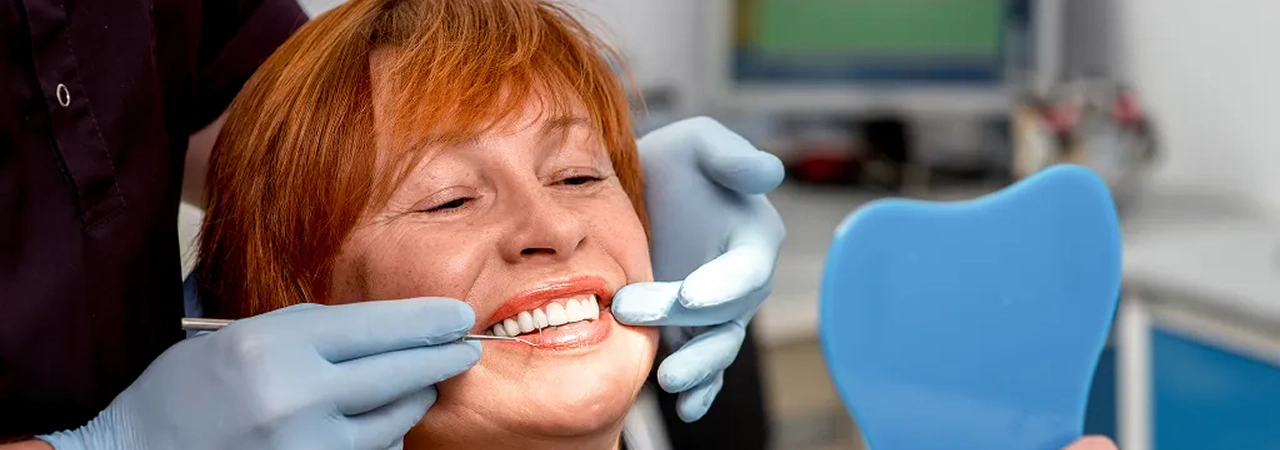
Most dentists recommend a checkup about every six months, but that is a rule of thumb, not a law. How often you really need to go depends on your teeth, your gums and your habits. What does not change is the reason to go: a checkup finds small problems while they are still small, cheap and painless to fix.
Here is what actually happens at a checkup, what it can catch before you feel anything, and how to work out the right schedule for you.
Is Every Six Months the Right Schedule?
Twice a year works well for many people, and WebMD describes it as a good rule of thumb rather than a universal requirement. The right interval is set by your own risk of problems, and your dentist may suggest sooner or later than six months.
WebMD points to four things that can change the answer: lifestyle, such as smoking or frequent drinking; how consistent your daily oral hygiene is; biology, including cavity prone teeth or a family history of gum disease; and how easy it is for you to get dental care and products.
In plain terms:
- Every three to four months may suit people with active gum disease or a high cavity risk
- Every six months suits most adults with healthy teeth and gums
- Once a year can be enough for some low risk patients, but only if your dentist agrees
The point is that your schedule should be set after an exam, not by a calendar reminder.
What Happens at a Dental Checkup?
A routine checkup is more than a quick look and a polish. It usually includes:
- A review of your health and habits. We ask about medications, medical changes, diet, smoking, grinding and anything that has bothered you.
- A full exam of your teeth. We check every tooth for decay, cracks, worn areas and old fillings that may be failing.
- A gum check. We look for signs of gum disease, such as bleeding, swelling or pockets around the teeth.
- An oral cancer screening. The University of Alabama at Birmingham notes that the dentist checks the mouth, neck and throat for anything unusual, and early detection can improve outcomes.
- Digital X rays when needed. These show decay between teeth and bone changes you cannot see in the mirror.
- A professional cleaning. This removes plaque and tartar that brushing and flossing cannot fully remove. Our guide to what happens during a cleaning appointment covers it in detail.
- A plan and your next visit date. You leave knowing what, if anything, needs doing and when to come back.
With our intraoral camera, we can show you what we are seeing on screen, so you do not have to take our word for it.
What a Checkup Can Catch Before You Feel Anything
Many dental problems are silent in the early stages. Pain is often the last thing to show up, which is why waiting until something hurts usually means a bigger repair.
A checkup can pick up:
- Early cavities, before they reach the nerve
- Gum disease at the stage where it can still be reversed. Our post on periodontitis, the slow but destructive gum disease explains why catching it early matters
- Cracked or worn teeth, including damage from grinding
- Infection or problems around the roots
- Changes in the mouth that need a closer look, including signs of oral cancer
Catching a small cavity usually means a simple filling. Missing it can mean a root canal or a crown later. Regular visits are also one of the best ways to avoid sudden pain, as we explain in our post on preventing dental emergencies.
Your Mouth and Your Overall Health
Your mouth is part of your body, and problems there can be connected to problems elsewhere. UAB Dentistry notes research linking oral health with diabetes, chronic kidney disease, osteoporosis, sleep disorders and cognitive conditions including dementia. Links are not the same as cause and effect, and a clean mouth is not a guarantee against these conditions, but it is another good reason not to put visits off.
Bleeding gums, for instance, can be a sign of gum disease, and your dentist may suggest you mention changes in your health to your doctor too.
How to Get the Most From Your Visit
A little preparation makes a checkup more useful.
- Write down anything you have noticed, such as sensitivity, a sore spot or a clicking jaw
- Bring a list of your medications and tell us about any changes in your health
- Tell us how often you brush, floss and snack, because honest answers lead to better advice
- Ask questions. If you do not understand a recommendation, we would rather explain it again
If you are visiting us for the first time, our first visit guide tells you what to expect.
What If You Are Nervous About the Dentist?
You are not alone, and it is one of the most common reasons people skip visits. The longer you leave it, the more there tends to be to fix, which makes the next visit harder.
Tell us when you book. We will go at your pace, explain each step before we do it and let you stop whenever you need to. We also offer nitrous oxide sedation for patients who would like help staying relaxed.
Cost and Insurance
A routine checkup is usually the most affordable visit you will have, because it is aimed at preventing bigger work. We accept most traditional and PPO dental insurance plans, and many plans cover preventive care well, so call us with your plan details and we will help you check what yours includes. If you do not have insurance, our savings plan is worth a look.
Frequently Asked Questions
Q. How often should I go to the dentist?
Most adults do well with a checkup about every six months, but your dentist can set a different schedule based on your gum health, cavity risk and habits.
Q. How long does a dental checkup take?
A routine checkup with a cleaning usually takes under an hour. If X rays or extra treatment are needed, it may take a little longer.
Q. Are dental checkups painful?
No, most people feel little or nothing beyond the odd tender spot during cleaning. Tell us if you are sensitive and we will adjust.
Q. What happens if I skip checkups?
Small problems like early cavities and gum inflammation can grow without any warning signs. By the time something hurts, the repair is usually bigger.
Q. Does a checkup include an oral cancer screening?
Yes. We check the mouth, neck and throat for anything unusual as part of a routine exam. If we see something that needs a closer look, we explain the next steps.
Q. How often should children and seniors have checkups?
The same general guidance applies, but your dentist may recommend a different interval depending on the person. Seniors with dry mouth or gum problems, for example, often benefit from more frequent visits.
Q. What is the difference between a checkup and a cleaning?
A cleaning removes plaque and tartar. A checkup examines your teeth, gums and mouth for problems. Most routine visits include both.
Book Your Checkup
If it has been a while, there is no judgment here. Call Naperville Dental Studios on (630) 355 7400 or book online and we will take it from there.



Gentle, personalized dental care for the Naperville community since 2018.
Timings:-
Tuesday: 9:00 AM - 2:00 PM
Wednesday: 10:30 AM - 5:00 PM
Thursday: 11:00 AM - 7:00 PM
Friday: 11:00 AM - 3:00 PM
Saturday: 9:00 AM - 3:00 PM
Sunday & Monday: Closed


© 2026 Naperville Dental Studios | All Rights Reserved | Privacy Policy | Digital Marketing by Remedo